Planning Group Transportation in Chicago – A Step-by-Step Guide
Contents
- 1 Understanding Chicago Traffic and Timing Constraints
- 2 Key Areas to Consider When Planning Transportation
- 3 Planning Transportation for Major Chicago Venues
- 4 When to Book Group Transportation in Chicago
- 5 Information Transportation Providers Typically Require
- 6 Creating a Transportation Planning Checklist
- 7 Why Experience Matters in Chicago Transportation Planning
- 8 Final Thoughts
Planning group transportation in a major city like Chicago requires more than simply booking a vehicle. The city’s size, traffic patterns, major venues, and transportation infrastructure mean that thoughtful planning can make a significant difference in how smoothly an event or trip unfolds.
Whether you’re organizing corporate travel, a conference, a sports outing, a wedding celebration, or a family gathering, understanding how to plan group transportation in Chicago can help prevent delays, reduce stress, and ensure that everyone arrives on time.
This guide walks through the key elements of group transportation planning in Chicago, including how traffic patterns affect travel times, how different parts of the city influence logistics, and what information transportation providers typically need to organize the most efficient service
Understanding Chicago Traffic and Timing Constraints
Chicago is one of the largest transportation hubs in the United States, with millions of commuters, visitors, and event attendees moving through the city every day. As a result, traffic conditions can vary significantly depending on the time of day, the neighborhood, and the type of event taking place.
Morning and evening rush hours can affect major highways and downtown routes, particularly on weekdays. Travel times between the airport, the downtown area, and surrounding suburbs may increase during peak traffic periods. For this reason, planners organizing group transportation in Chicago should always consider buffer time when scheduling departures and arrivals.
Major events can also affect travel conditions. Chicago regularly hosts conventions, concerts, sporting events, and festivals that bring large numbers of visitors into the city. When these events coincide with group transportation plans, routes and schedules may require additional flexibility.
Professional transportation providers familiar with Chicago traffic patterns help mitigate these challenges by recommending departure windows and alternative routes based on real-world experience.
Key Areas to Consider When Planning Transportation
Chicago’s geography plays an important role in transportation planning. Different areas of the city have distinct characteristics that influence travel logistics.
Airport Transportation
Chicago is served by two major airports: O’Hare International Airport and Midway International Airport. Both are busy transportation gateways with constant passenger traffic. Groups arriving on multiple flights often require coordinated airport pickups and transfers to hotels, conference venues, or event locations.
For planners managing Chicago group travel, airport logistics often involve staging arrival windows and coordinating luggage space for passengers traveling with equipment or large bags.
Downtown Chicago
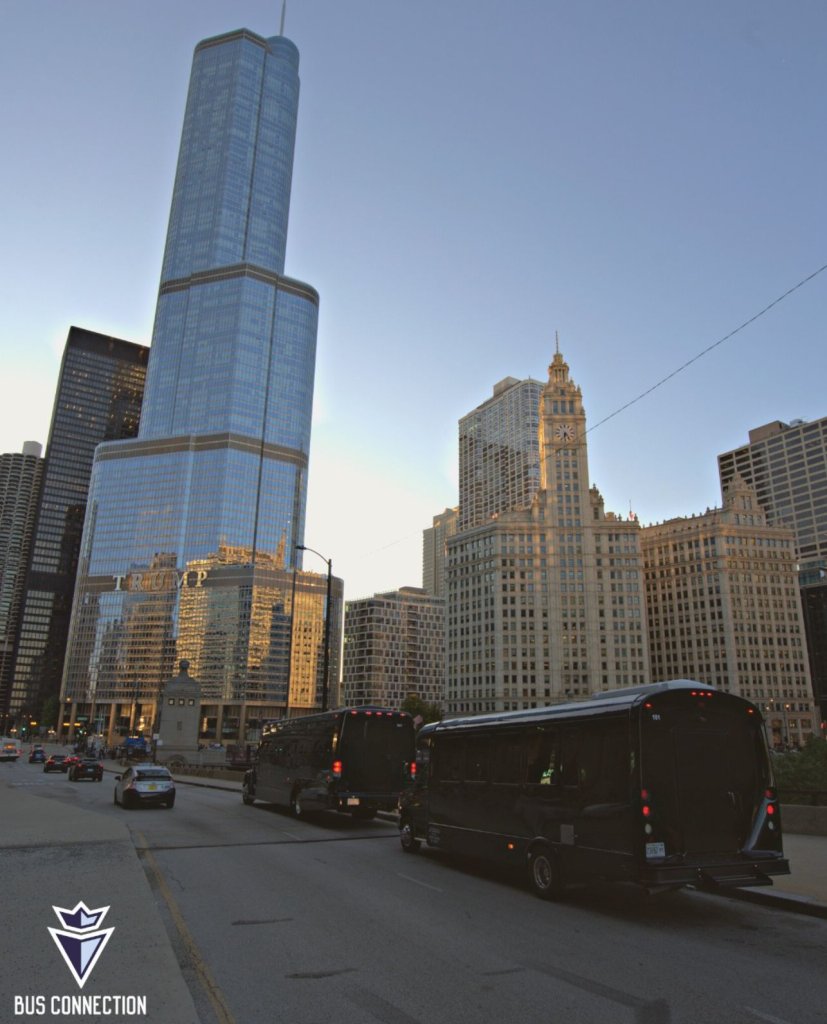
Downtown Chicago is home to major conference centers, corporate headquarters, hotels, and tourist attractions. While the area is well-connected, it can also experience heavy congestion and limited parking availability.
Group transportation solutions help simplify arrival logistics by allowing passengers to be dropped off close to their destination rather than navigating multiple parking locations.
Suburban Destinations
Many events and corporate campuses are located in Chicago’s surrounding suburbs. Traveling between the downtown area and suburban locations can require longer travel times, especially during rush hours.
Planning transportation routes between these areas is an important part of Chicago charter bus planning, particularly when events involve multiple venues or overnight accommodations.
Planning Transportation for Major Chicago Venues
Chicago hosts events across a wide variety of venues, each with its own logistical considerations. From sports arenas and convention centers to wedding venues and cultural institutions, transportation planning often depends on understanding how these venues manage arrivals and departures.
Large venues frequently have designated drop-off zones for group transportation. Coordinating arrival times with these locations helps reduce congestion and ensures a smoother experience for guests.
For event planners managing Chicago event transportation, understanding these venue-specific details in advance can significantly improve the flow of the event schedule.
When to Book Group Transportation in Chicago
Timing is another important element in transportation planning. Chicago hosts events year-round, but certain seasons bring higher demand for group transportation services.
Spring and summer are particularly busy due to weddings, festivals, and tourism. Fall often sees large conferences and sporting events, while winter includes holiday travel and corporate gatherings.
Booking transportation well in advance provides greater flexibility in selecting the appropriate vehicle type and scheduling routes that align with event timelines. It also ensures that transportation providers can accommodate specific group requirements.
For large events or peak travel periods, planners often begin Chicago charter bus planning several months ahead of the event date.
Information Transportation Providers Typically Require
To organize transportation effectively, providers typically request several key details during the planning process.
These details allow transportation coordinators to recommend the most appropriate vehicle, develop efficient routes, and schedule drivers accordingly.
Common information requested includes the size of the group, the number of passengers traveling, and any luggage or equipment requirements. Planners also provide pickup and drop-off locations, event schedules, and estimated travel windows.
When planning group transportation in Chicago, clear communication of these details helps transportation providers create a plan that aligns with the event’s schedule and logistical needs.
Creating a Transportation Planning Checklist
Successful transportation planning often involves developing a simple checklist to ensure that every detail has been considered. Event organizers typically review transportation needs alongside venue bookings, accommodation arrangements, and event schedules.
For example, planners may confirm hotel pickup locations, coordinate airport arrivals, and determine how guests will move between venues throughout the day. In multi-day events, transportation plans may include morning departures, evening returns, and optional shuttle services for attendees.
A well-prepared checklist helps ensure that transportation is integrated into the overall event plan rather than treated as a last-minute logistical step.
Why Experience Matters in Chicago Transportation Planning
Planning group transportation in a city as dynamic as Chicago benefits from working with providers who understand the local environment.
Transportation companies familiar with Chicago’s road networks, event schedules, and venue logistics can help anticipate potential challenges and recommend practical solutions. This experience can make a significant difference when coordinating transportation for large groups.
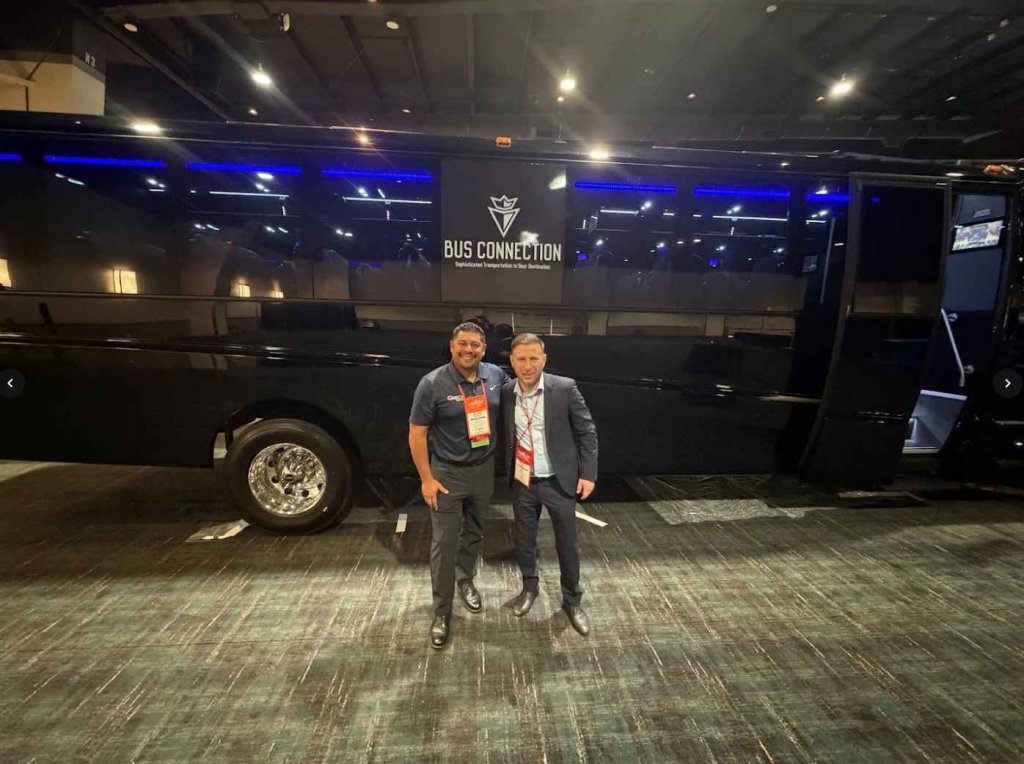
Companies such as Bus Connection, which provide charter bus services throughout Chicago and across neighboring Midwest states, assist planners in organizing transportation that supports smooth and reliable travel for groups of all sizes.
Final Thoughts
Planning group transportation in Chicago involves balancing several factors, including traffic patterns, venue locations, airport logistics, and event timing. With thoughtful preparation and a clear understanding of the city’s transportation landscape, organizers can ensure that their group travels efficiently and comfortably.
Whether coordinating airport transfers, corporate travel, wedding transportation, or large event logistics, careful planning allows transportation to support the success of the overall experience.
For anyone organizing Chicago group travel, understanding these steps helps create a transportation plan that keeps everyone moving smoothly from start to finish.