How to Choose the Right Charter Bus for Your Group Size
Contents
- 1 What “Group Size” Really Means in Charter Bus Planning
- 2 The Key Factors That Determine the Right Charter Bus Size
- 3 Choosing the Right Option for Small Groups
- 4 Matching Mid-Size Groups to the Right Vehicle
- 5 Planning for Large Groups and Full-Size Coaches
- 6 One Vehicle or Multiple Vehicles?
- 7 Aligning Vehicle Choice With Different Group Scenarios
- 8 Why Chicago Logistics Matter
- 9 Common Capacity Mistakes to Avoid
- 10 Planning With Confidence
- 11 A Note on Current Planning Opportunities
Most group trips don’t fall apart because the wrong transportation company was selected. They fell apart because the charter bus size didn’t truly match the group’s real-world needs. When that happens, everything downstream becomes more complicated than it should be. Luggage doesn’t fit as planned, boarding takes longer, comfort suffers, and tight schedules begin to unravel. Choosing the right bus rental group size is one of the most important decisions in group transportation planning because it directly affects comfort, timing, cost control, and the overall experience from pickup to final drop-off.
In a market like Chicago, where traffic patterns, airport operations, and venue access can shift quickly, selecting the right charter bus is not a minor detail. It is the foundation of a smooth, reliable trip.
This guide is designed to help planners choose a charter bus with confidence, whether they are coordinating corporate travel, event transportation, school trips, weddings, sports teams, or private group outings. Throughout this article, the guidance reflects how experienced operators approach vehicle selection in real conditions. Bus Connection works with groups of all sizes and trip types, and the same planning principle applies every time: understand the group’s true requirements first, then match the vehicle to the trip. When planning follows that order, outcomes improve and stress is reduced.
What “Group Size” Really Means in Charter Bus Planning
When people ask how many people fit on a charter bus, they are usually thinking only about seat count. In practice, charter bus capacity is more nuanced than that. Seating is only one variable, and it rarely tells the full story. Groups travel with luggage, equipment, and personal comfort expectations, all while operating within time-sensitive schedules. A group of thirty arriving at O’Hare International Airport with checked bags has very different needs than a group of thirty traveling locally with no luggage at all.
A more accurate way to think about charter bus size is usable capacity rather than maximum capacity. That means accounting for passengers, everything that travels with them, and the experience standard required for the trip. Short local transfers, multi-stop routes, and longer highway trips all place different demands on a vehicle. This is why professional transportation providers like Bus Connection focus on understanding the full context of a trip before recommending a solution. The goal is not to fill seats. The goal is to deliver the trip without friction.
The Key Factors That Determine the Right Charter Bus Size
The first factor is the true passenger count, including organizers, coordinators, chaperones, or staff who may be overlooked in early estimates. One of the most common planning mistakes is counting only attendees and discovering too late that the vehicle is undersized.
The second factor is luggage or equipment. Even modest baggage volume can significantly affect the most appropriate bus rental group size. The third factor is the route and pickup environment. Downtown Chicago pickups, airport curbside loading, and suburban venues each create different logistical realities. The fourth factor is timing. When schedules are tight, boarding efficiency and maneuverability matter as much as capacity.
These variables explain why experienced operators do not default to one vehicle type for every group. The right charter bus size is the one that fits the trip’s constraints with the least operational risk. Bus Connection approaches vehicle selection with that mindset because it protects both the guest experience and the schedule.
Choosing the Right Option for Small Groups
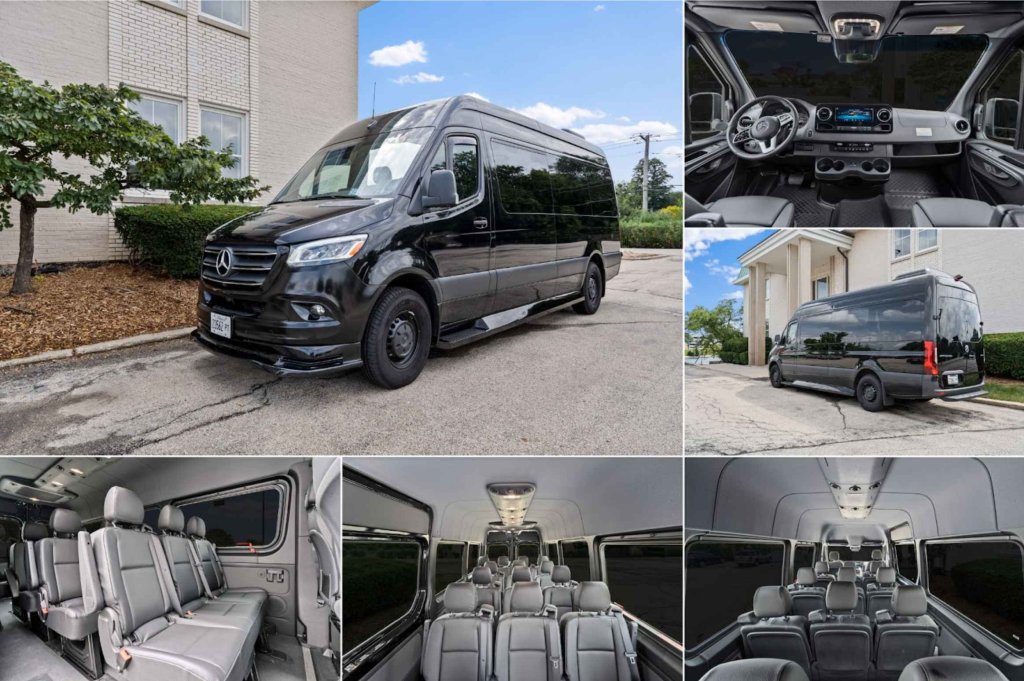
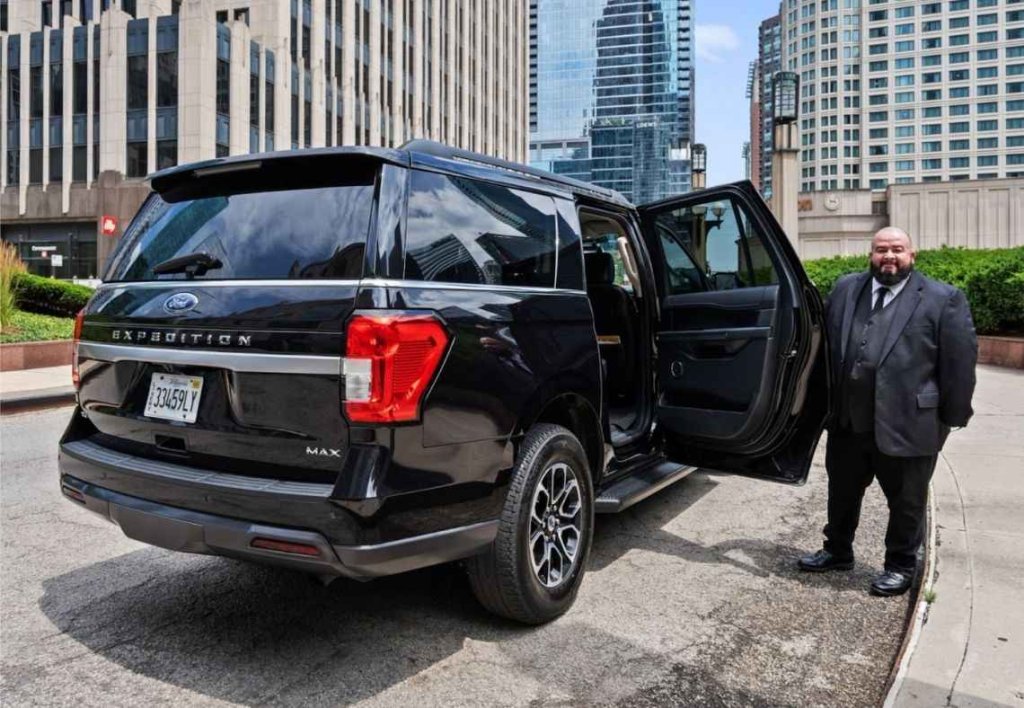
Smaller groups often assume they need a full-size bus, but that is not always the most effective solution. For groups in the single digits up to roughly a dozen passengers, convenience, speed, and professionalism usually matter more than raw capacity. Corporate travelers, executives, and private groups often prioritize punctuality, smooth pickups, and a professional onboard environment.
In these scenarios, a smaller vehicle that can navigate traffic easily and handle tight pickup locations may be the best choice. If the group is arriving at the airport with luggage, vehicle configuration becomes especially important. The right fit is one that accommodates both passengers and bags comfortably without slowing down the process. Bus Connection routinely helps clients evaluate these details so small groups receive the same level of planning attention as larger ones.
Matching Mid-Size Groups to the Right Vehicle
Mid-size groups are where many planners feel the most uncertainty. The group is too large for standard vehicles but may not require a full-size motorcoach. This is where choosing the right charter bus becomes a balance between capacity, comfort, and logistics. For groups in the mid-teens through the low thirties, vehicles commonly categorized as minibuses are often a strong fit, depending on configuration and luggage needs.
In Chicago, mid-size group travel frequently involves airport-to-hotel transfers, hotel-to-venue shuttles, or multiple pickup points across the metro area. Vehicles that board efficiently and maneuver well can make a meaningful difference in keeping the schedule on track. Mid-size solutions also simplify coordination by keeping the group together instead of splitting into multiple vehicles. When the goal is to reduce stress for the organizer, this balance matters.
Planning for Large Groups and Full-Size Coaches
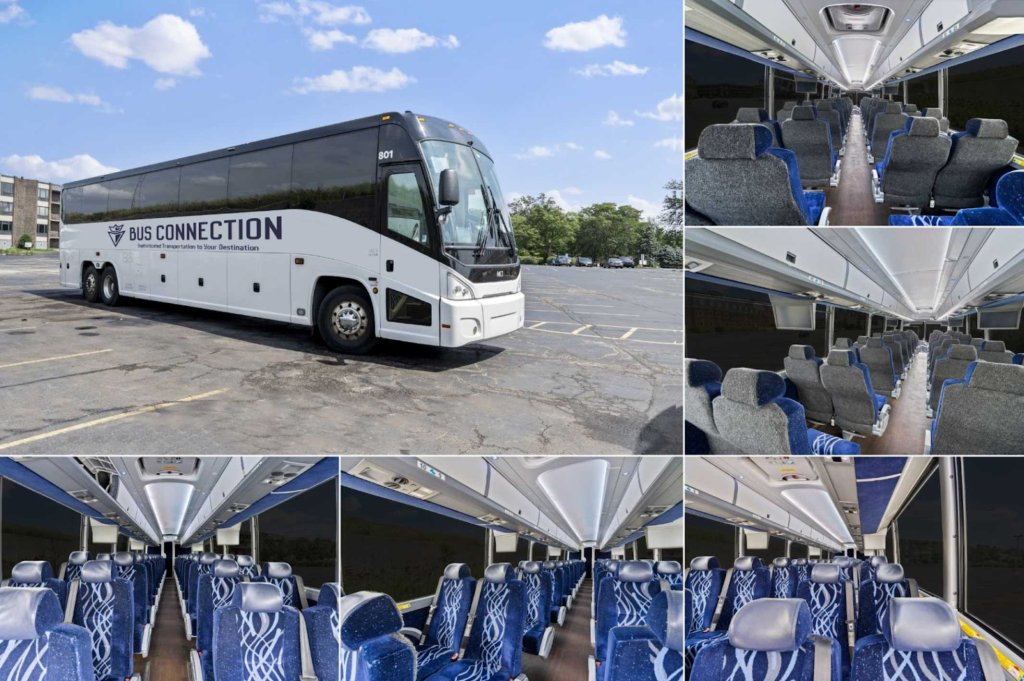
For larger groups, charter bus capacity becomes a central planning issue. As group sizes approach forty and beyond, full-size motorcoaches are typically the most practical solution. These vehicles are designed to handle higher passenger counts and often provide better luggage accommodation for longer routes.
Beyond seating, their biggest advantage is predictability. Boarding is centralized, timing is easier to manage, and the group moves as a single unit. For conferences, large events, school trips, or sports teams, the cost of delays often outweighs minor differences in vehicle pricing. That is why experienced planners tend to favor vehicles that offer buffer and operational stability. Bus Connection frequently supports these scenarios, where reliability and coordination are critical to success.
One Vehicle or Multiple Vehicles?
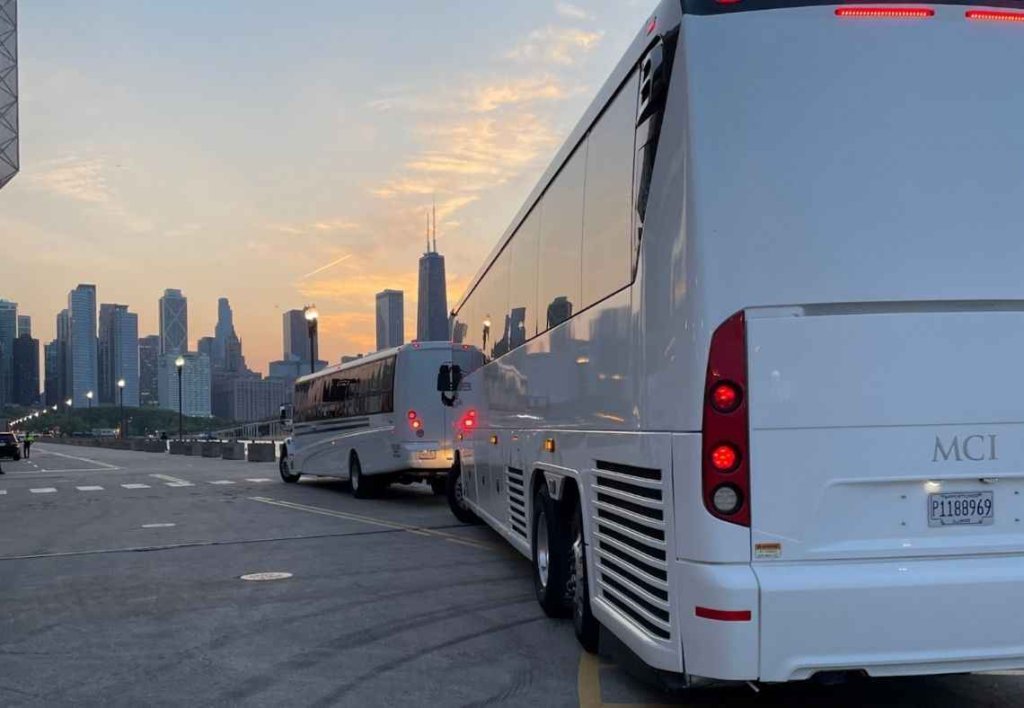
Even when group size is clear, planners still need to decide whether one vehicle or multiple vehicles make more sense. In some cases, splitting into two vehicles reduces risk, especially when pickup locations are spread across the Chicago area. In other cases, keeping the group together in one larger vehicle simplifies communication and scheduling.
This decision should be driven by route realities and timing rather than cost alone. Professional providers like Bus Connection help clients evaluate this choice by looking at the entire plan, ensuring the solution supports the desired outcome, not just the logistics.
Aligning Vehicle Choice With Different Group Scenarios
Corporate travel often leaves little margin for error. Delays can mean missed meetings and added stress for both travelers and organizers. In these cases, the right charter bus size is one that supports punctuality and a professional image. For some groups, that means smaller, premium vehicles. For others, it means a larger charter bus that ensures everyone arrives together.
Event and conference transportation presents a different challenge: scale and coordination. Planners need vehicles that can run consistent shuttle loops, handle peak arrival windows, and adapt to schedule changes. Vehicle selection becomes part of the event’s operational infrastructure, which is why experience matters.
Weddings and private events require a balance between guest comfort and timeline control. Schools and sports teams prioritize safety, compliance, and group cohesion, often with additional equipment needs. Family groups and tours tend to focus on comfort and shared experience, especially on longer trips. Across all these scenarios, the principle remains the same: choose a charter bus that supports the purpose of the trip, not just the headcount.
Why Chicago Logistics Matter
Chicago’s geography and infrastructure add another layer to transportation planning. Airport operations, downtown congestion, venue access, and suburban distances all influence what vehicle works best. A group arriving at O’Hare with luggage may require a different solution than a group boarding downtown with minimal belongings.
This is why thinking about charter bus capacity in Chicago requires local awareness. When transportation providers understand traffic patterns, loading zones, and venue constraints, they can plan more effectively. Bus Connection’s experience operating throughout Chicago and the surrounding areas allows planners to move forward with confidence.
Common Capacity Mistakes to Avoid
One of the most common mistakes is planning exactly to the seat count with no buffer. Even small attendance changes can create unnecessary stress. Another frequent issue is underestimating luggage or equipment needs, which slows boarding and affects timing. Oversizing a vehicle can also cause problems if it complicates access or staging.
The best way to avoid these issues is to work with a provider that asks detailed questions upfront and builds the plan around real conditions. That approach reduces uncertainty and leads to better outcomes.
Planning With Confidence
Requesting a quote is not just about price. It is an opportunity to align expectations and select the right charter bus size from the start. Providing clear information about passenger count, pickup and drop-off locations, timing, and luggage allows providers to recommend the most appropriate solution.
Bus Connection approaches this process as a planning partnership, not a transaction. By focusing on reliability, coordination, and proper vehicle fit, the company helps clients deliver smoother group travel experiences across Chicago and beyond.
A Note on Current Planning Opportunities
For planners coordinating upcoming group transportation, Bus Connection is currently offering a limited-time Promo Offer running through the end of February 2026. Qualifying local bookings may receive a –15% discount across all services and vehicle types, with complimentary onboard Wi-Fi available upon request. The offer applies to local services within a defined radius of O’Hare International Airport and is subject to availability and standard terms.
For organizations planning ahead, this can be a practical opportunity to secure professional, reliable transportation while finalizing schedules early